In a small tattoo studio tucked away in a quiet building in Seoul, artist Kim Chan-hoe double-checks his security cameras before starting work. The door stays locked, and the windows are covered — not because he’s doing anything wrong, but because until now, what he does for a living has been considered illegal.
For nearly two decades, Kim has been a tattoo artist, working under the alias “Sulhong” to avoid legal trouble. But now, after years of operating in the shadows, he and thousands of others in South Korea’s tattoo community are finally seeing hope for change.
On September 25, 2025, the South Korean parliament voted unanimously to pass a bill that would legalize tattooing, ending decades of legal restrictions that pushed the practice underground. Until this landmark vote, only licensed medical professionals were legally allowed to give tattoos — a rule many artists say never made sense.
An Industry in Hiding
Although tattooing has technically been banned since a 1992 Supreme Court ruling, the art form has thrived quietly across the country. Artists like Kim say they’ve been reported to the police multiple times, faced fines, and lived in constant fear of raids — but never stopped creating.
“When I walk into a government office, I’m not seen as an artist. They treat me like a criminal with a tattoo machine,” said Kim, who owns the Red Waikiki studio.
Despite the risk, South Korea’s tattoo scene has grown into a globally admired industry. Artists from Seoul win international awards. Foreign clients travel to get tattooed by Korean professionals. Celebrities like Jay Park, G-Dragon, and Lee Hyori have helped make tattoos more mainstream, especially among younger Koreans.
Yet the artists themselves have often had to hide their workspaces, avoid using their real names, and write “freelancer” on official forms to avoid rejection or discrimination.
From Taboo to Trend
Historically, tattoos in Korea were viewed negatively — often associated with criminal punishment or gang culture. But public perception has evolved, especially in the last 10–15 years.
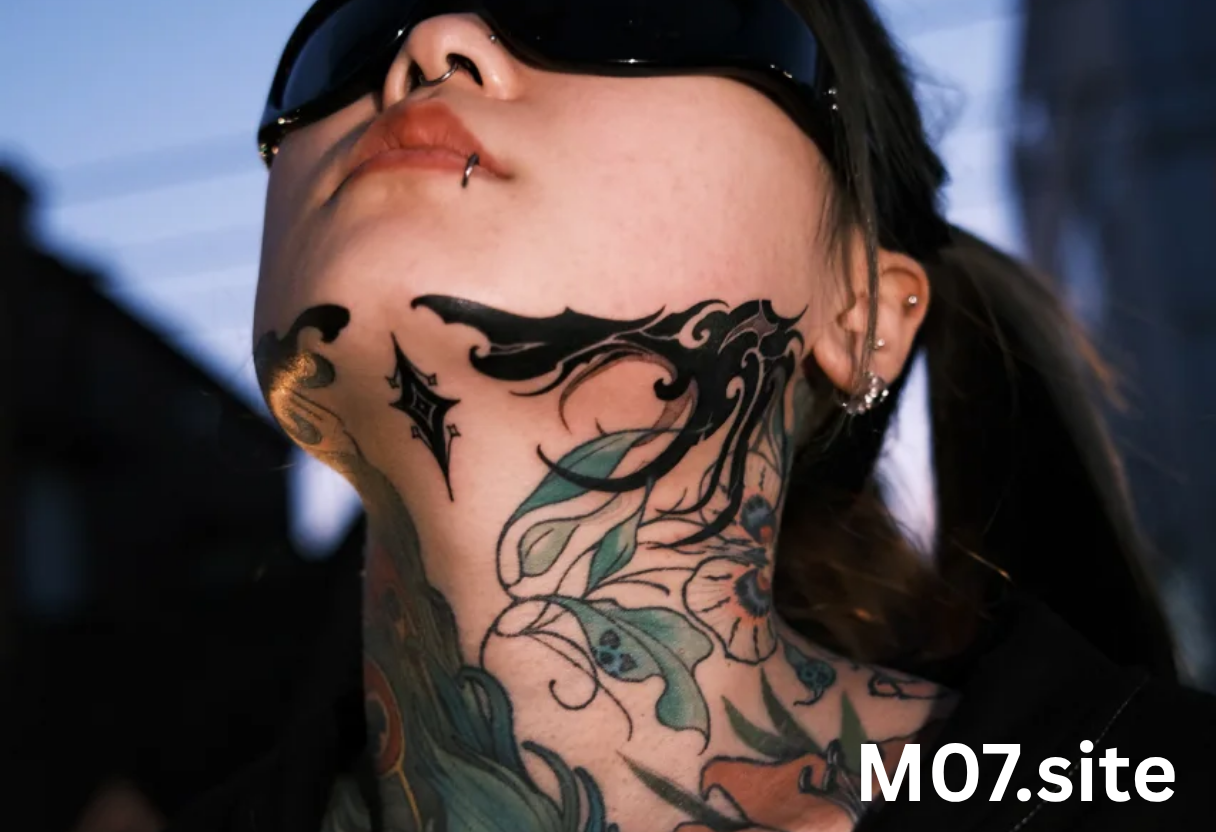
Today, tattoos range from bold neotraditional designs to soft, colorful fine line styles. Some artists focus on delicate floral designs, while others use cartoon-like imagery in vibrant neon shades.
One tattooist, known professionally as Sisi, has worked in the industry for over eight years and is known for her playful and bright-colored tattoos.
“We get many clients saying they want something like G-Dragon’s tattoos,” she said. “People are inspired by public figures now.”
Still, because of the legal risks, many talented artists have chosen to leave the country altogether — setting up studios overseas where they can work freely and be recognized for their craft.
The Legal Battle and What Comes Next
The move to legalize tattooing has been a long time coming. Similar bills failed in the past. But with growing public support and President Lee Jae Myung promising reform during his campaign, artists began to feel optimistic.
Now that the bill has passed parliament, it only needs the president’s final approval. Once signed, the government will have two years to set new rules — likely including safety training, hygiene standards, and official licensing.
But not everyone is celebrating. The Korean Medical Association, which represents over 130,000 doctors, strongly opposed the bill. They argue tattooing should remain under medical control due to potential health risks, calling the legislation “dangerous.”
Despite this, most tattoo artists believe the change is long overdue.
“Tattooing is art — just like painting on a canvas,” said Kim. “Why is it that artists who draw on paper are respected, but those who draw on skin are criminalized?”
Living in the Shadows
Until now, tattooing in South Korea has come with heavy consequences. Artists caught working without a medical license could face up to five years in prison and fines of up to 50 million won ($35,000 USD). In practice, fines were more common — usually between $700 and $3,500 — but the fear and stress remained.
Kim said he’s reported at least twice a year, often by rivals or unhappy clients. One time, several team members were reported together and had to pay a combined fine of 10 million won (over $7,000).
Sisi remembers one incident when police pretended to be customers and raided their studio mid-session.
“It happened so fast — we didn’t even realize what was going on until it was too late,” she said.
Because of the risks, most tattoo studios operate in hidden spaces — on upper floors with no signs. Many only accept cash payments to avoid drawing attention. Applying for bank loans or business permits as a tattooist? Nearly impossible.
Hope for Recognition
For artists like Kim and Sisi, legalization is not just about being able to work openly — it’s about being respected.
“This isn’t just about the law changing,” said Kim. “It’s about being able to finally say, without hiding, ‘This is who I am. This is what I do.’”
With regulation on the horizon, tattoo artists are hopeful that the new laws will provide proper recognition, protect their rights, and open the doors to a future where their work is seen as legitimate — not illegal.
“We’ve been preparing for this moment for decades,” Kim said. “Tattoos are more than skin deep — they’re culture, they’re art, and they deserve to be treated that way.”